
Building Virability
How Three Reels About Power, Fashion, and Slavery Rewired the Odds

Four days ago, my daughter Andrea was a small creator by any traditional metric: 2,400 followers on Instagram, a clear voice, but no “viral moment.” Today she has more than 4,800 followers, thanks to three reels that all landed each in a different way, around one core theme: power.
Those three reels are not random:
The first was designed to be controversial. It put a stake in the ground on a polarizing topic, crafted specifically to force viewers to choose a side and argue in the comments. That reel surged to 184K views, 13,825 likes, 215 comments, and a hidden but clearly huge number of saves and shares.
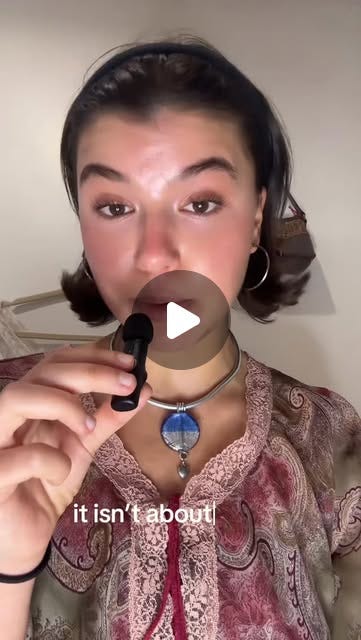
The second explored women’s power through fashion. Instead of confrontation, it offered insight: how clothing over time has served as both a tool of control and a vehicle of empowerment. This kind of informational content fits squarely in what Reels growth guides describe as highly “saveable” and shareable. The kind algorithms quietly reward.
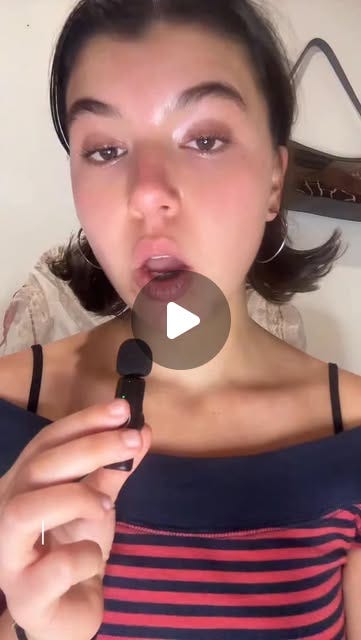
The third reframed consumerism as a modern form of slavery. In under a minute, it challenged the idea that endless choice equals freedom, connecting everyday consumption to cycles of social pressure, debt, and dependence, echoing arguments increasingly raised in research on consumerism and modern exploitation.
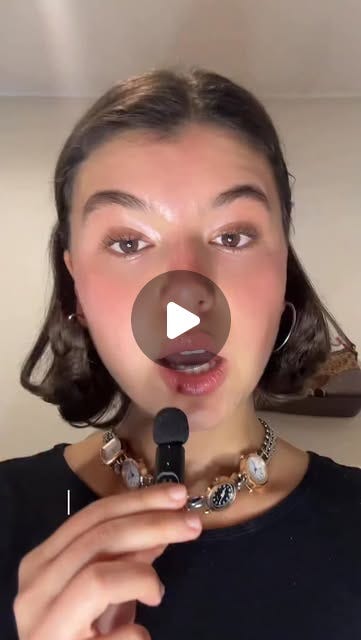
Seen individually, each reel is a sharp take. Seen together, they form a thesis: power, identity, and freedom are not neutral, they are coded into what we wear, what we buy, and what we defend.
Controversy as a catalyst, not a gimmick
Andrea intentionally made the first reel controversial. That choice matters. Social media strategists now openly list “controversial reels” as one of the formats the Instagram algorithm favors, when done with integrity: take a clear, niche‑relevant stance that many people either strongly agree or strongly disagree with. The reason is mechanical, not mysterious. Polarizing ideas:
Pull people into the comments to argue, which boosts comment velocity.
Attract both supporters and critics, who then argue with each other, extending the life of the conversation.
Guides for creators even recommend pinned comments and provocative questions to intensify this effect. Andrea’s first reel functioned as an engagement accelerant for the two that followed; by the time she talked about women’s power in fashion and consumerism as slavery, she already had a larger, activated audience primed to watch and respond.
From views to virability
On paper, the growth looks simple: three reels, more views, more likes, more followers. Underneath, it reflects a deeper pattern that many Reels analyses describe: algorithms are primarily listening for behavior: watch time, replays, shares, saves, and comments, not follower counts. Andrea’s plan to keep releasing well‑researched videos every two days feeds exactly what these systems need: a steady stream of content with high potential for deep engagement.
Several current Reels playbooks stress three points that her case illustrates well:
Consistency over perfection. Posting on a reliable cadence trains both followers and the recommendation system to expect regular content.
Idea density. Short, research‑backed videos that teach or reframe something (like the history of fashion as power, or consumerism as soft slavery) generate saves and shares, the “super signals” of value.
Thematic focus. Staying near a few core themes (power, autonomy, systems) helps the algorithm understand who might enjoy the content and helps people immediately “get” what the account stands for.
In other words, Andrea is not chasing randomness; she is building virability, the probability that any given reel has the structural and emotional ingredients needed to spread.

Why Instagram worked and TikTok/Shorts didn’t
The same videos on TikTok and YouTube Shorts, at least so far, have not taken off. Views are in the low hundreds, and subscriber/follower growth is negligible.
This discrepancy aligns with what many observers of the creator ecosystem note: Instagram Reels currently offers relatively higher organic reach for small accounts than the main feed, with some data showing that Reels are now the primary discovery surface on the platform. TikTok and Shorts, by contrast, are much more saturated; content gets thrown into a torrent where hooks must compete with a global firehose of video.
Andrea’s work, reflective, essay‑like, and visually grounded in fashion and culture, may simply be better tuned to Instagram’s present “vibe” than to TikTok’s ultra‑fast, trend‑driven environment or Shorts’ YouTube‑centric audience expectations. That’s not a quality judgment; it’s an ecosystem reality.
Audience now, monetization later
For now, Andrea is not trying to monetize. No sponsorships, no products, no paid communities, just a commitment to publish well‑researched, high‑signal reels every couple of days and see how far the ideas travel. This aligns with a growing body of creator‑economy advice: privilege trust and depth of audience early on, defer monetization decisions until the positioning and the community are clearer.
If her growth continues, monetization becomes an option rather than a scramble. A body of content on controversial ideas, women’s empowerment through fashion, and the hidden costs of consumer culture could naturally evolve into:
Educational products or courses.
Collaborations with aligned brands or organizations.
Thought‑leadership, speaking, or writing opportunities around culture, fashion, and power.
But those are later questions. Right now, the story is simpler and more interesting: three reels, each about power in a different disguise, have shown that virality is not luck falling from the sky. It is what happens when a creator aligns research, controversy, clarity of theme, and consistent publishing with a platform that is hungry for exactly that kind of engagement.
Did you enjoyed this article?
If so, please give it a like and/or share it with your friends and colleagues.